
Better Systems Help the Company See, Respond, and Improve.
Websites, marketing, reporting, customer service, and daily operations all depend on the technology and information behind them. When tools do not connect, data cannot be trusted, or important tasks rely on manual work, even simple decisions become harder.
noname helps companies review their technical foundation, organize information, simplify tools, and automate processes that need to work better.
When the Foundation Creates Friction
The Tools May Work. The System Around Them May Not.
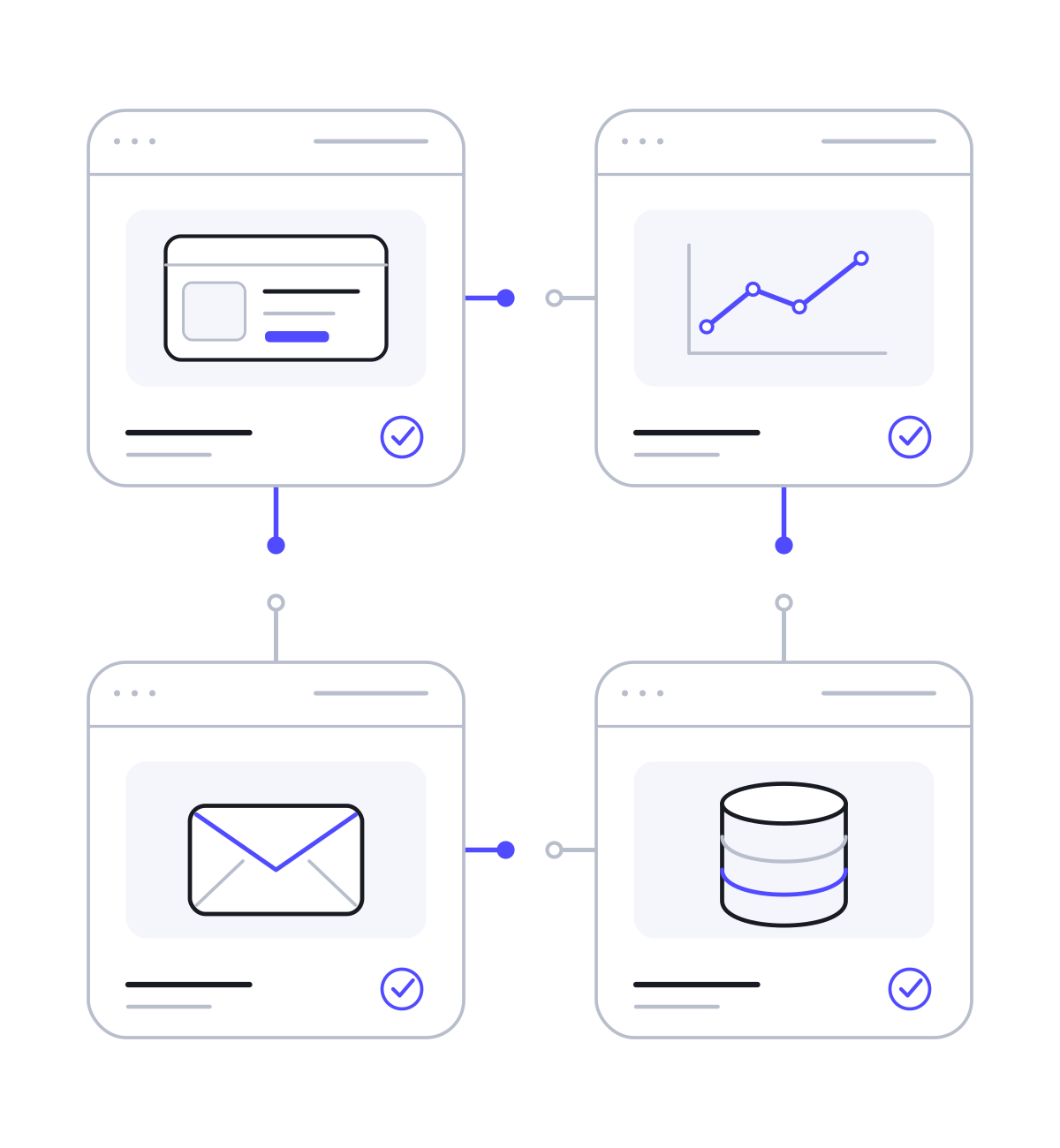
A business can have a website, analytics platform, email software, customer database, and several other tools without having a reliable way for them to work together.
Information may be stored in several places. Reports may show different answers. Team members may repeat tasks that could be automated. Important processes may depend on fragile fixes that only one person understands.
The issue is often not one broken tool. It is how the tools, information, and processes fit together.
Technology With a Purpose
Technology Should Support the Work, Not Add More Work.
New technology is not always the answer. Sometimes the company needs a better platform. Other times, the right solution is to improve the current setup, remove an unnecessary tool, fix how information moves, or change the process around it.
We begin with what the company needs to accomplish. Then we decide what technology can support that goal in a practical and reliable way.
Three Connected Parts
Engagements Built Around the Objective.
A weak technical setup can create unreliable data. Poor data can lead to bad decisions. A broken process can make automation unreliable. We consider all three together when they affect the same outcome.
Technology ->
Technology includes the platforms, infrastructure, websites, ecommerce tools, customer systems, and custom tools supporting the company. We review whether those tools are reliable, useful, and suited to how the company works today.
Data ->
Data should help the team understand what is happening and decide what to do next. We look at what information is collected, where it is stored, how it moves, and whether the team can use it with confidence.
Automation ->
Automation can reduce repeated work, improve response times, and help important steps happen more consistently. We focus on processes where automation creates a clear benefit for the customer, the team, or both.
A Practical Process
Map First. Simplify Before Adding More.
The goal is not to introduce more technology. It is to make the existing setup clearer, more reliable, and easier to use.
Your team stays involved in decisions about access, ownership, process, and long term use. We explain what is changing and why it matters.
A Practical Example
Connect the Customer Journey to the Tools Behind It.
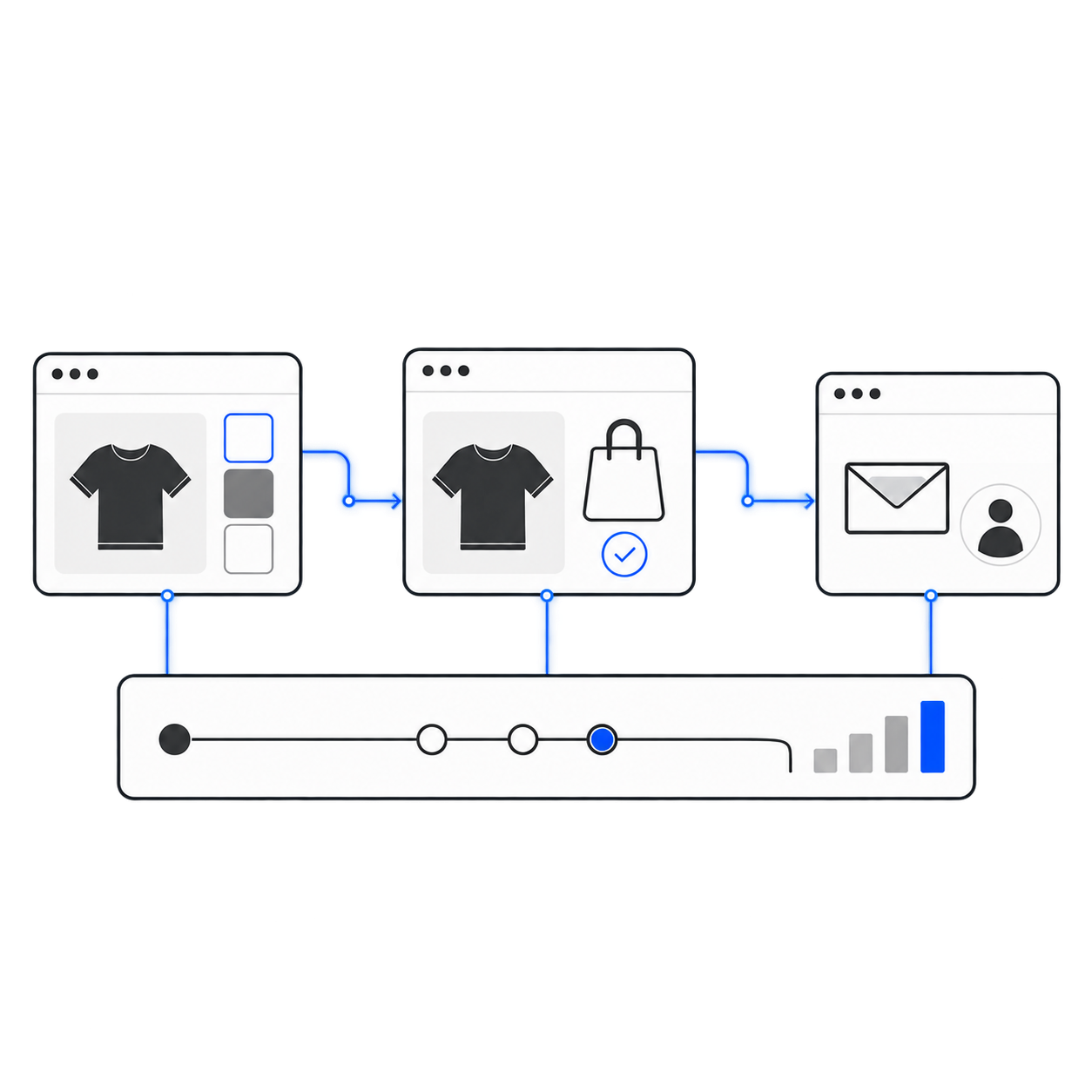
A specialized product company relied on a website, ecommerce store, lead forms, advertising platforms, email tools, and several types of tracking. Each tool served a purpose, but the information did not provide one clear view of the customer journey. Important follow up also depended on separate manual steps.
noname improved the website and ecommerce foundation, added event tracking, connected lead and cart recovery, created a guided product tool, and built clearer reporting around the full journey. Customers received a more useful experience, while the team gained better insight into where people came from, what actions they took, and where they needed support.
The result was not simply more technology. It was a setup that made the customer journey easier to manage and understand.
Choose This Capability When the Setup No Longer Supports the Company.
This work may be useful when tools have multiplied, reports disagree, information is difficult to find, manual tasks are slowing the team down, or the company has outgrown its current technical setup.
It is also a strong starting point when the customer experience depends on systems that are unreliable, difficult to manage, or poorly connected.
noname is not the right fit for companies looking for technology without a clear purpose or a quick software install without reviewing the process around it. We work best with teams that want practical improvements tied to how the company operates and serves its customers.

Talk Through What Your Systems Need to Do Better.
Tell us which tools are involved, what feels harder than it should, and what your team is trying to improve. You do not need to know whether the answer is better technology, clearer data, automation, or a change in process. We will help you find the right place to begin.