
Build a Website That Helps People Move Forward.
A website should make the company easier to understand, help people find what they need, and provide a clear next step. noname plans, designs, and develops websites connected to the customer journey, marketing, tracking, technology, and goals behind them.
Beyond Appearance
A Website Can Look Finished and Still Not Work Well.
A website may be difficult to navigate, slow to load, hard to manage, or unclear about what the company offers. People may visit without knowing where to begin. Important information may be buried. Forms may create unnecessary friction. The website may also lack the tracking needed to explain what people are doing.
A new design will not solve these issues if it repeats the same structure, content, and customer journey. We look beneath the appearance to understand what the website needs to help the company and its customers accomplish.
A Connected Part of the Company
The Website Connects More Than Design and Code.
The website may support marketing, sales, customer service, ecommerce, recruiting, education, reporting, and daily operations. It may be the first place someone encounters the company and the place they return to when they are ready to make a decision.
That means design choices affect more than appearance. The structure, content, technology, forms, tracking, and next steps all shape how people experience the company. We approach the website as part of the wider business instead of treating it as a separate design project.
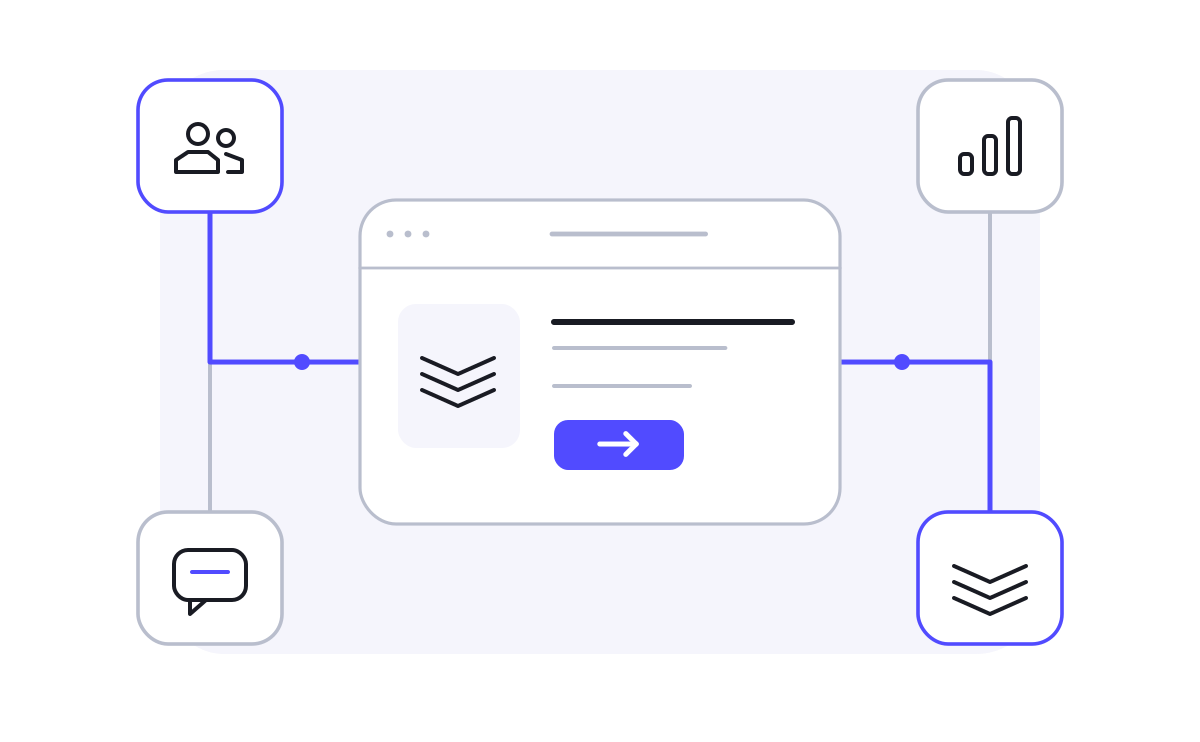
Plan, Design, Build, and Improve the Full Experience.
The work is organized as a connected process rather than a collection of separate design tasks.
01. Strategy and Structure
We define what the website needs to accomplish, who it needs to serve, and which actions matter most. This may include website goals, audience needs, content requirements, page structure, navigation, customer journeys, technical needs, and measurement planning.
02. Content and Experience
We organize information around what people need to understand, trust, and decide. The work may include messaging, page content, user experience, interface design, responsive layouts, accessibility, calls to action, and conversion paths.
03. Development and Connections
We build the website and connect the functions needed to support the experience. This may include content management, forms, ecommerce, payments, analytics, automation, platform integrations, customer tools, and custom features.
04. Launch and Improvement
We test the website across devices, review important customer paths, check tracking, and prepare the site for launch. After launch, we can monitor performance, correct issues, learn from customer behavior, and continue improving the experience.
Make the Important Decisions Early
Begin With What the Website Needs to Do.
Before design begins, we learn how the company operates, what it offers, who it serves, and what the current website is failing to support. We review what people need before they can act, which questions must be answered, and how the website connects to marketing, sales, service, and internal processes.
This creates a clear reason behind the structure, content, features, and design. Without that direction, a website project can become a collection of preferences instead of a useful customer experience.
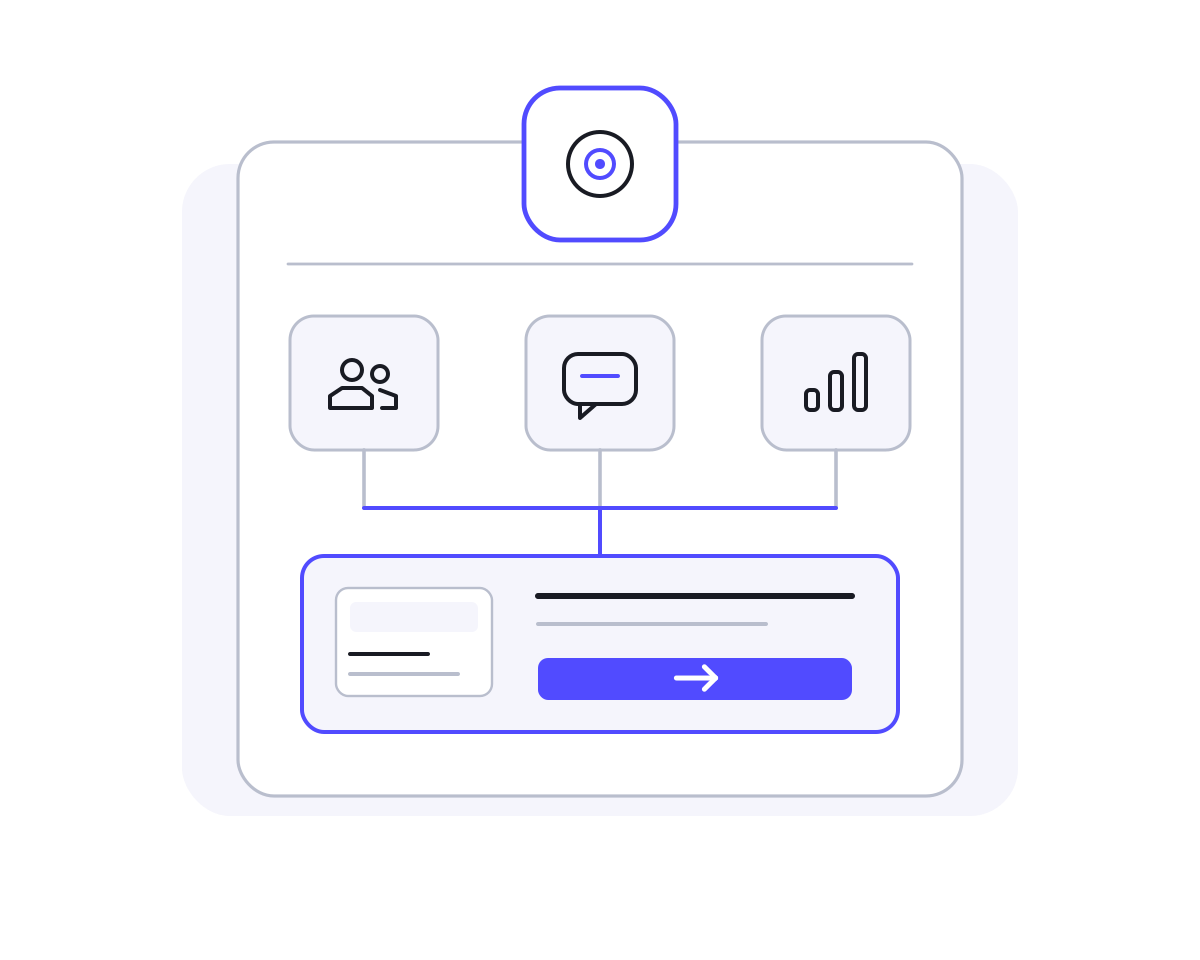
Help People Find Their Way
Organize the Website Around How People Decide.
People rarely arrive with the same level of knowledge or the same goal. Some are learning about the company for the first time. Others are comparing options, looking for support, returning to complete a purchase, or trying to contact the right person.
We organize pages, content, navigation, and calls to action around those needs. The goal is to help each visitor understand where they are, find the information that matters, and move toward the right next step.
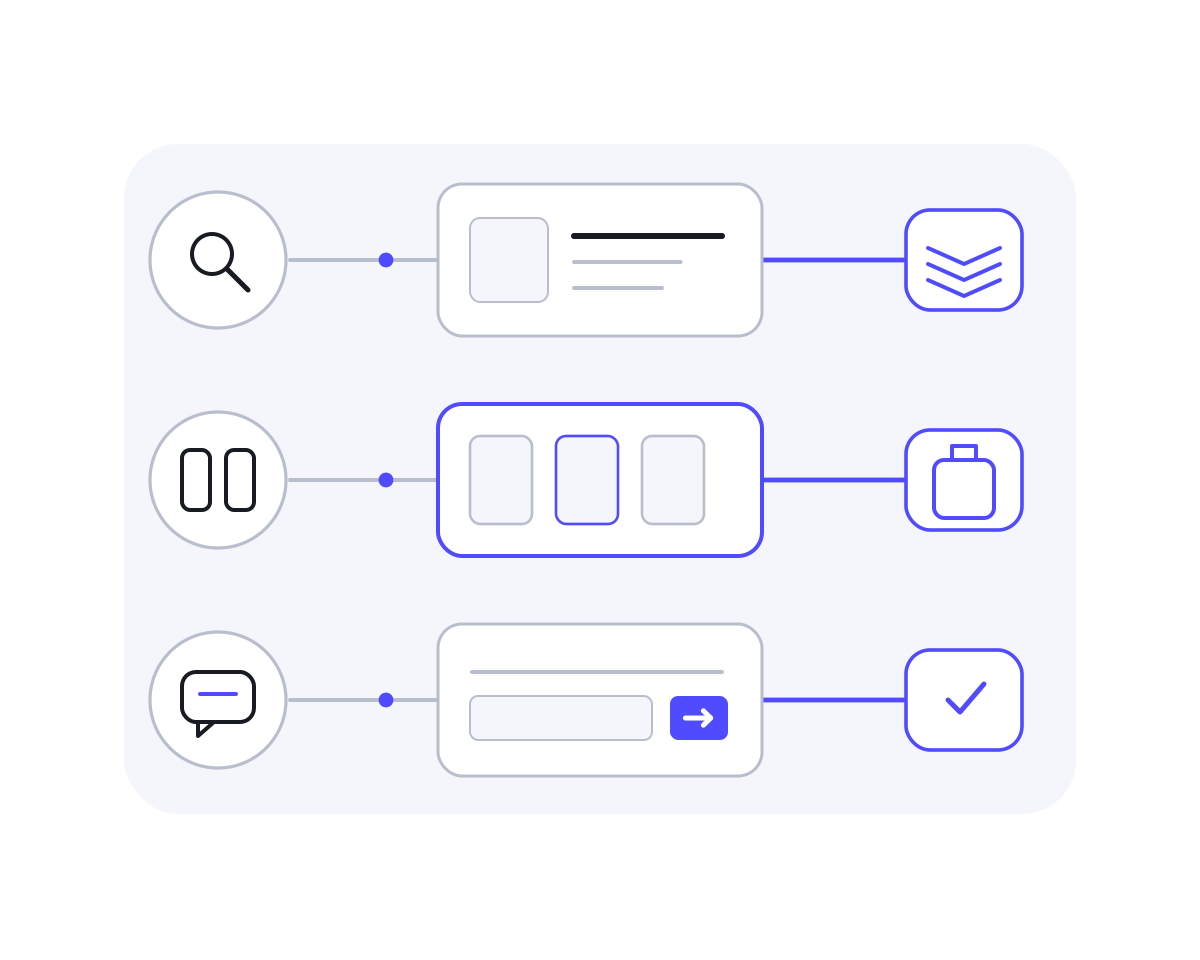
Clarity Before Decoration
Design Should Make the Experience Easier to Use.
Visual design should help people understand the content, recognize what matters, and move through the website with less effort. We use layout, spacing, type, color, imagery, motion, and interaction to support the experience rather than compete with it.
The design should also feel true to the company. It should not look like a generic template or like the agency forced its own style onto the brand. Each choice should have a role in making the website clearer, more useful, and easier to trust.
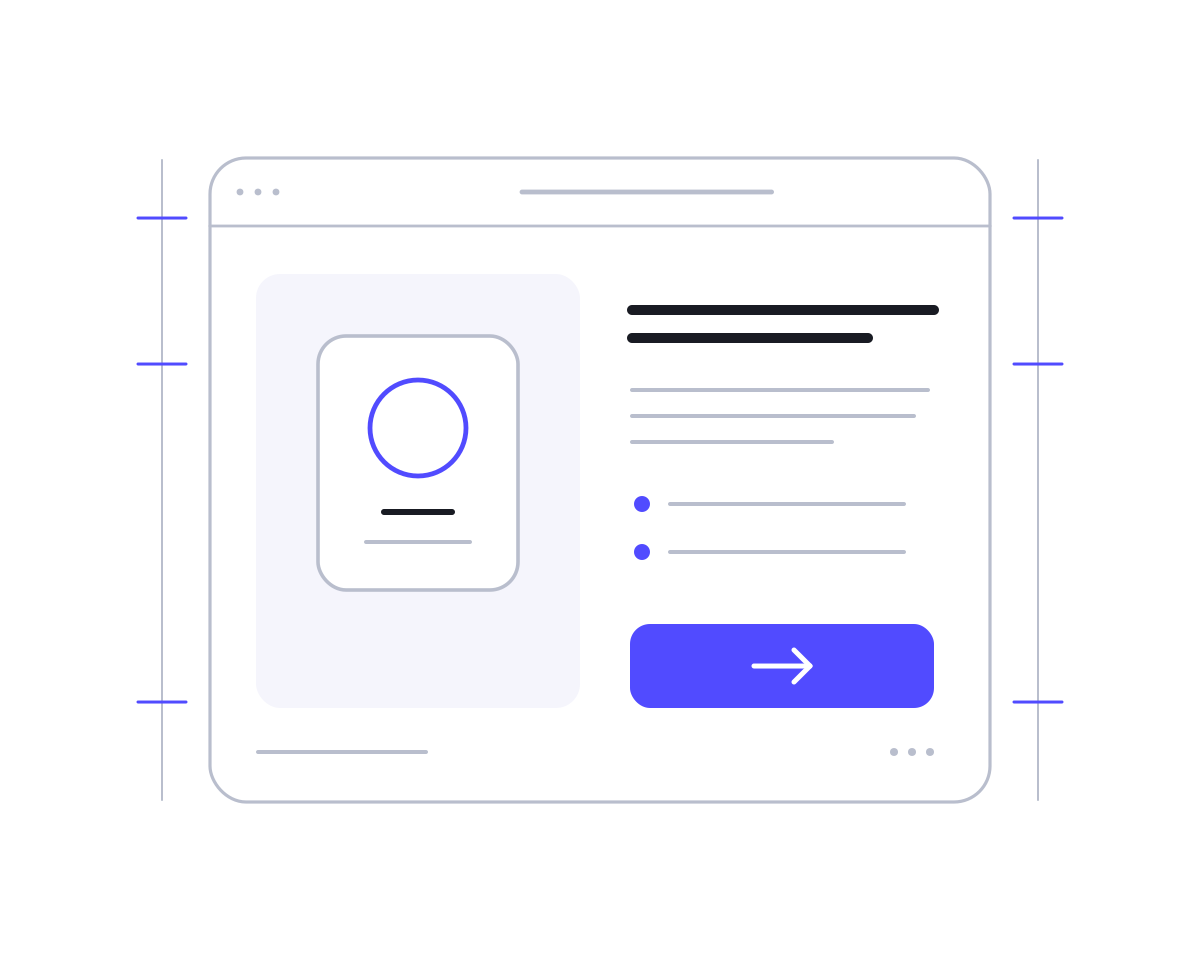
Built for Real Use
The Website Needs to Work Beyond the Mockup.
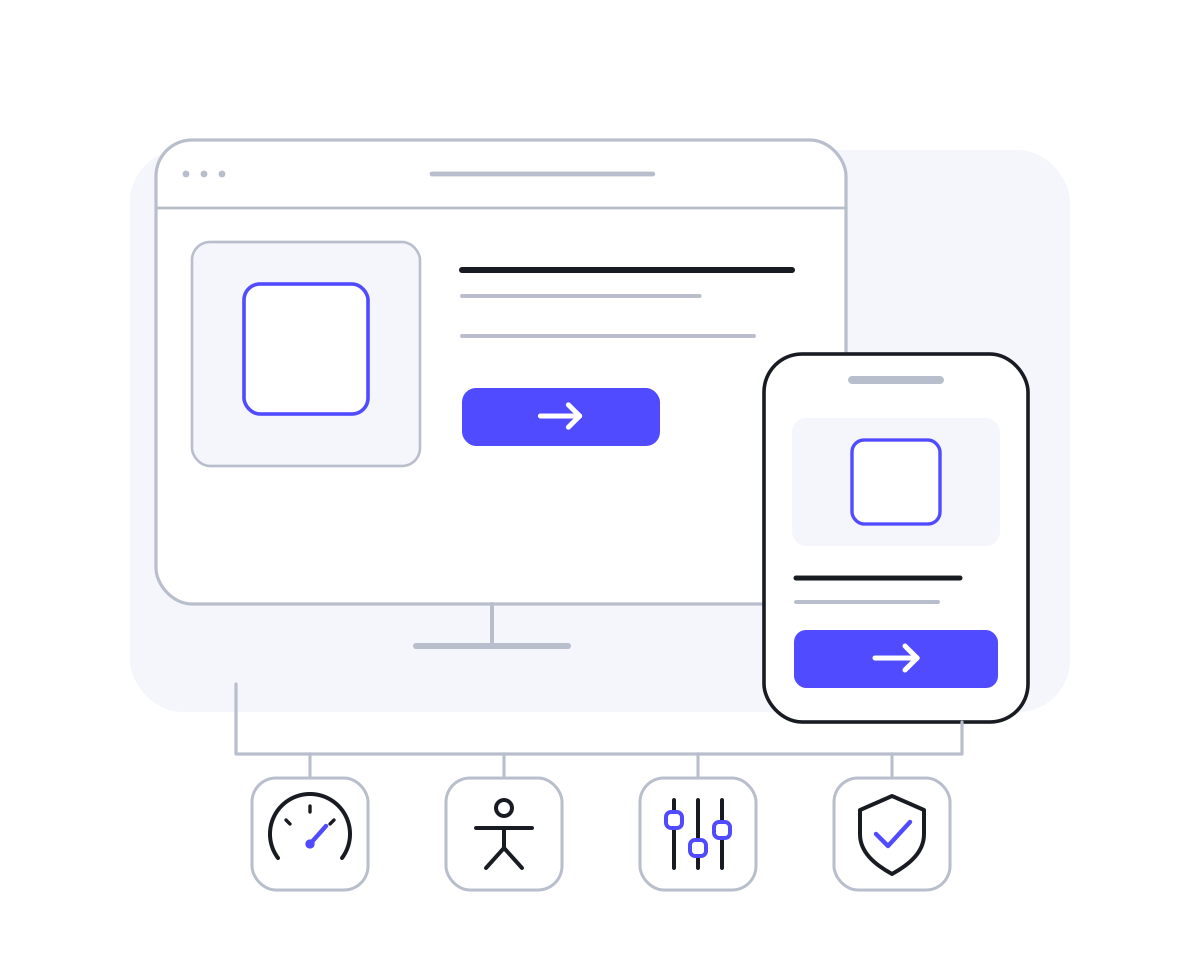
A design is only useful if the final website is reliable, responsive, manageable, and suited to the company’s needs. Development may include reusable page structures, content tools, forms, ecommerce functions, custom features, integrations, tracking, and technical improvements.
We also consider performance, accessibility, device behavior, browser testing, error handling, and how the team will manage the site after launch. The goal is not simply to match a design file. It is to build a website that works in real conditions.
Choosing the Right Starting Point
Ecommerce Is Website Work With a Purchase System Attached.
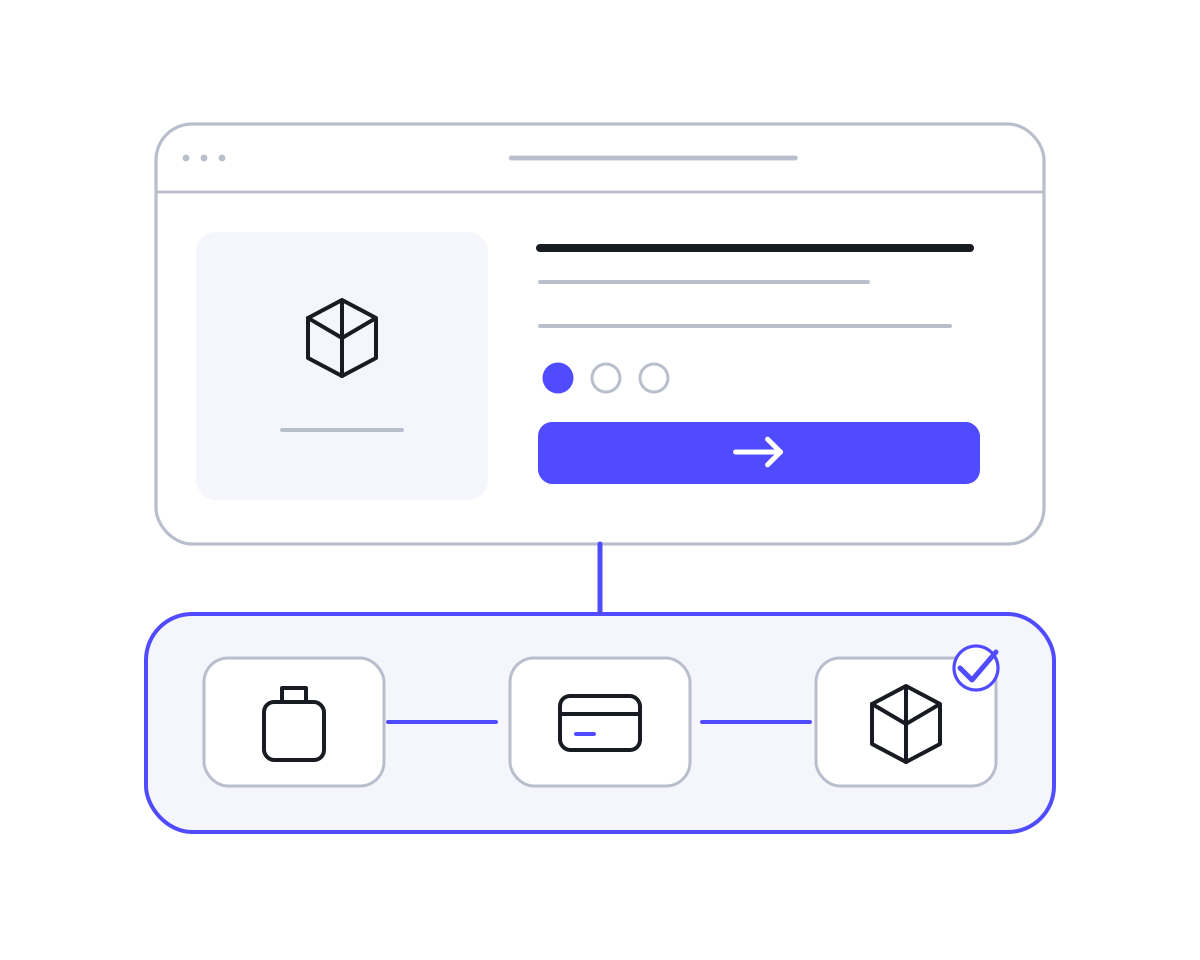
All ecommerce projects involve web design and development. They also require deeper attention to products, pricing, configuration, carts, checkout, payments, recovery, customer accounts, and order data.
Web Design and Development is the right starting point when the main need is the wider company website, customer journey, content, structure, design, or technical build. Ecommerce is the better starting point when product discovery and the path to purchase are at the center of the problem.
If the project includes both, we can treat them as one connected website experience.
Make Each Stage Clear Before Moving to the Next.
Talk Through What Your Website Needs to Do Better.
Tell us what is not working, what customers need from the website, and what your company is trying to improve. You do not need a finished sitemap, feature list, or design direction. We will help clarify the problem and decide what should happen next.